
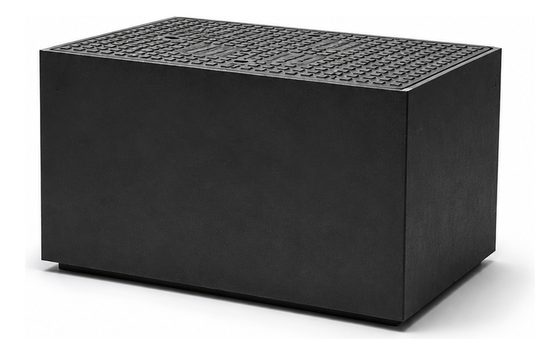
Concrete elements, cast to order.
Since 1989 we have cast to the drawing on one site. Forty-two positions are already tooled, and when a drawing is new we cut the steel for it ourselves — one mould per engraving, never a substitute. Orders have run from a single piece to four thousand.
Thirty-seven years on the utilities' approved lists.
One yard, one trade. The networks grew, the standards changed, the moulds kept coming out of it.
Supplied direct and through the main contractors who build those networks — ETA, Emirates Electrical Engineering, NPCC, Centaur, Al Mostajed, Civil & Electrical Projects.
2015–2020
since the first pour
Forty-two tooled positions, eight things to point at.
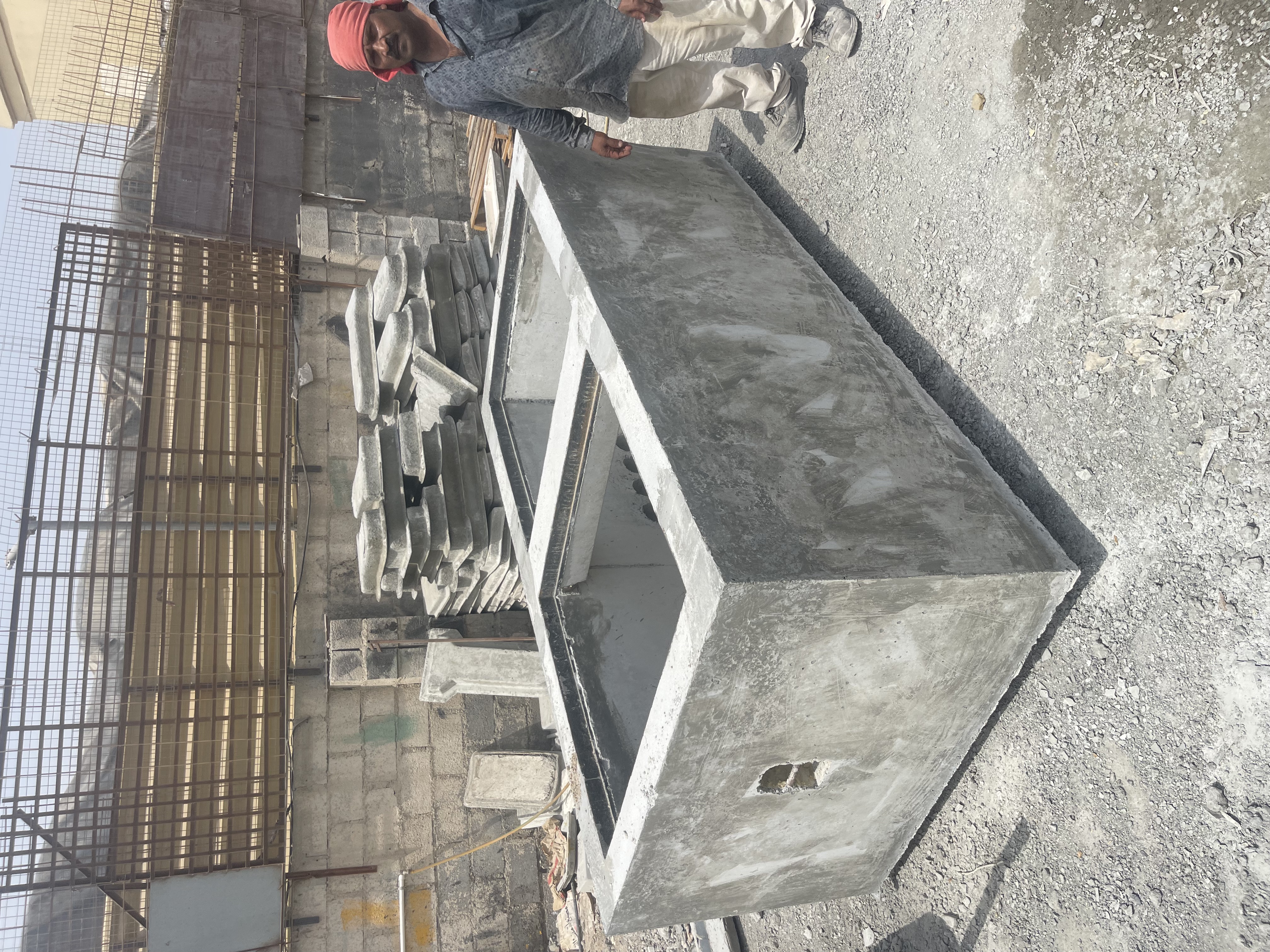
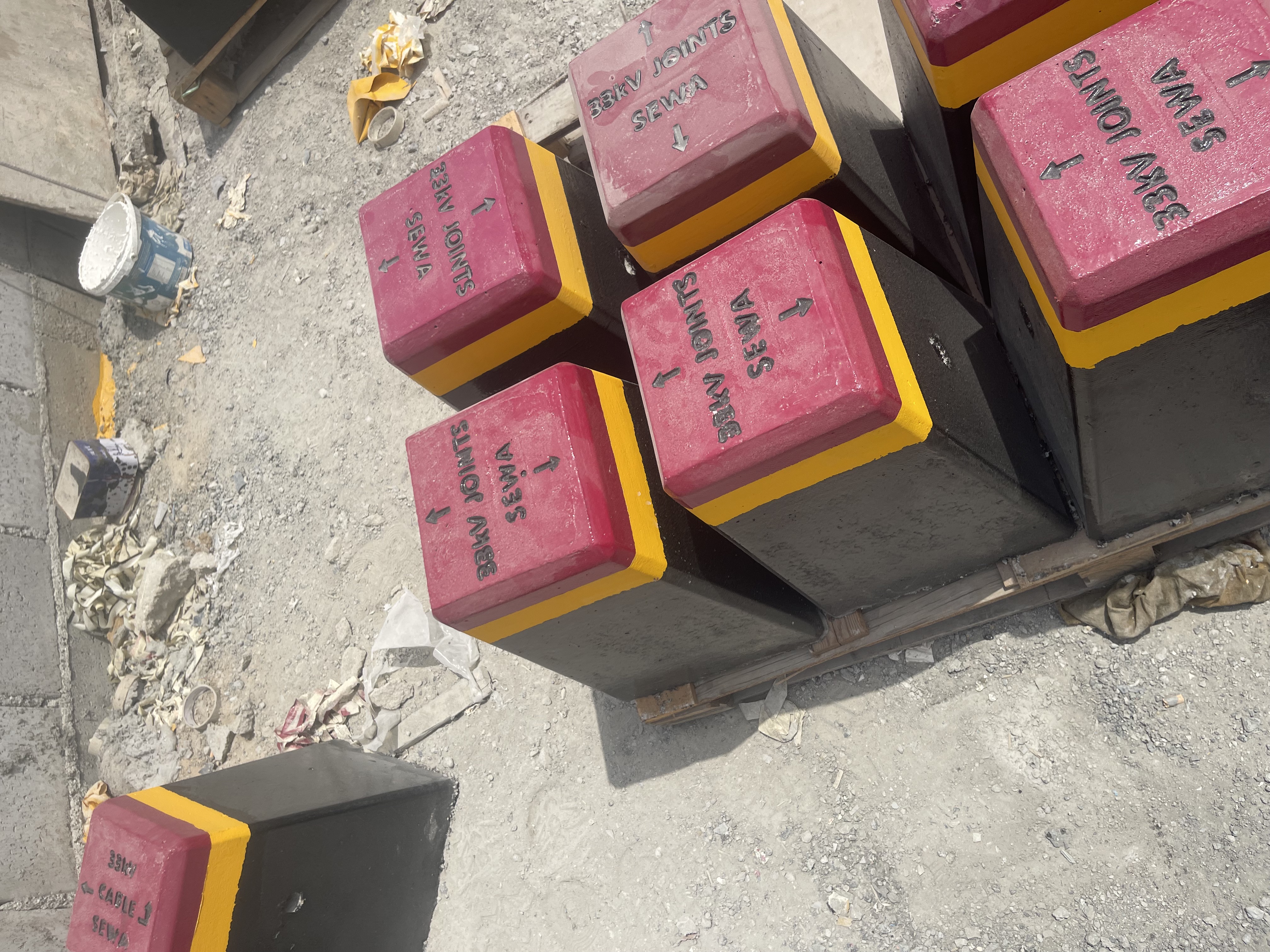
Grouped by what the item does in the trench, not by catalogue heading. Every position has a steel mould standing in our own workshop; dimensions, grade and engraving follow the approved shop drawing.
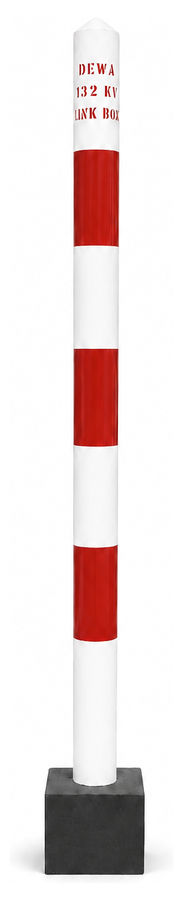
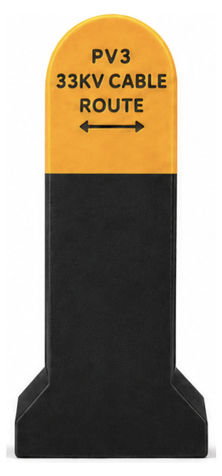
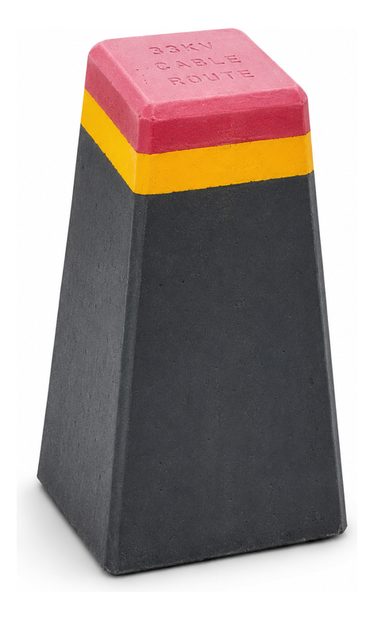
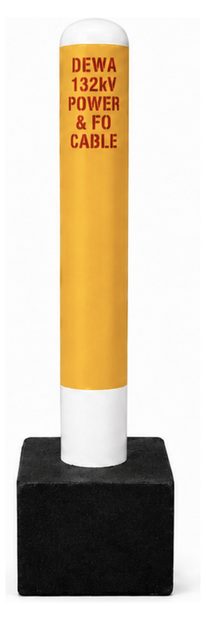
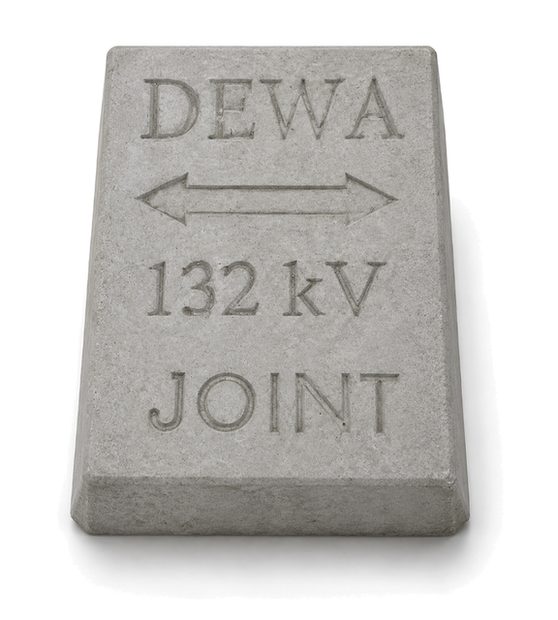
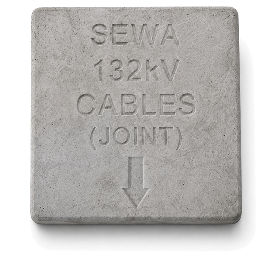
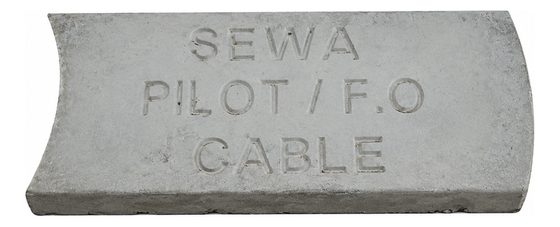
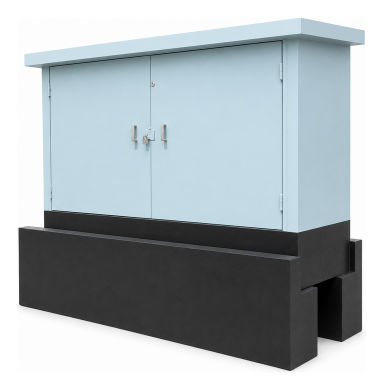
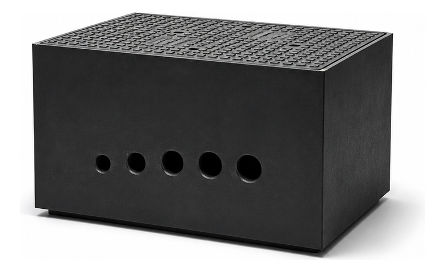
A new type is cut here, not bought in.
Seven days water curing before despatch.
Ask for the ones you need
Two hundred and three supplies, and a paper trail for each.
The list starts in 1992 with cable tiles and has not stopped since. Below are the recorded supplies of markers and enclosures from 2006 onward. Each line carries the contract it was cast against.
Earlier supplies from 1992 to 2005 — cable tiles, protection slabs, tile route markers — are listed in the company profile, issued with every offer.
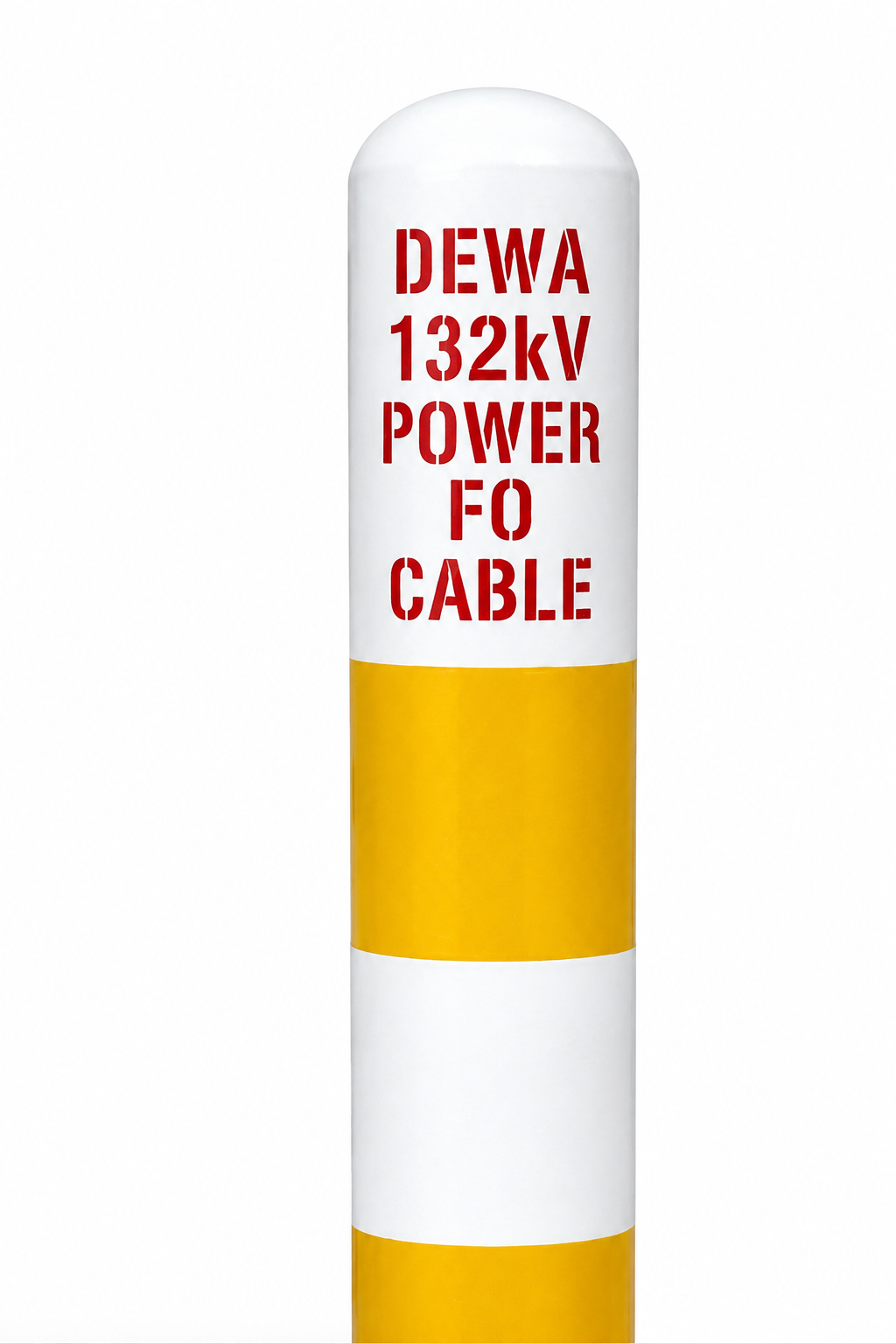
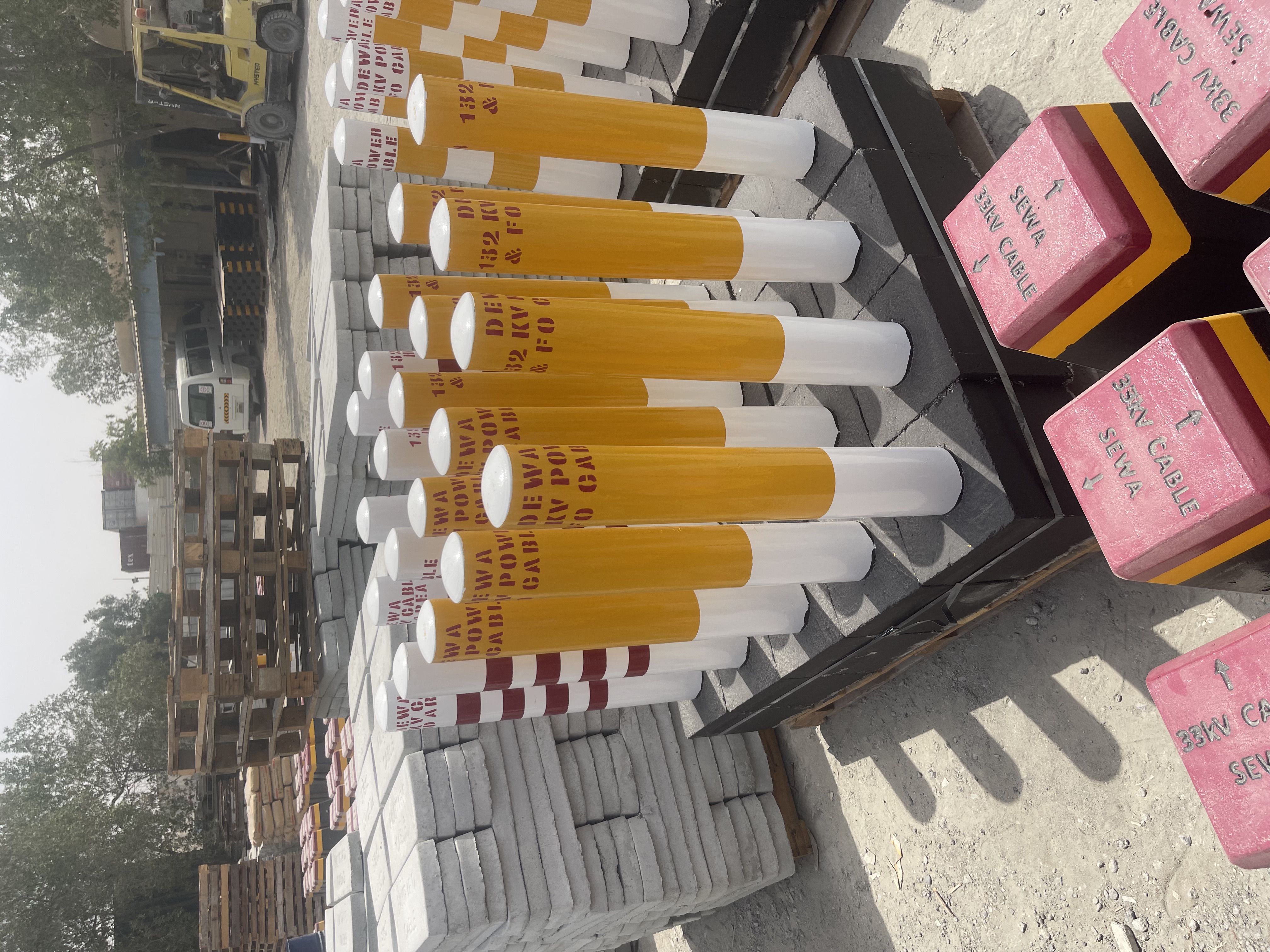
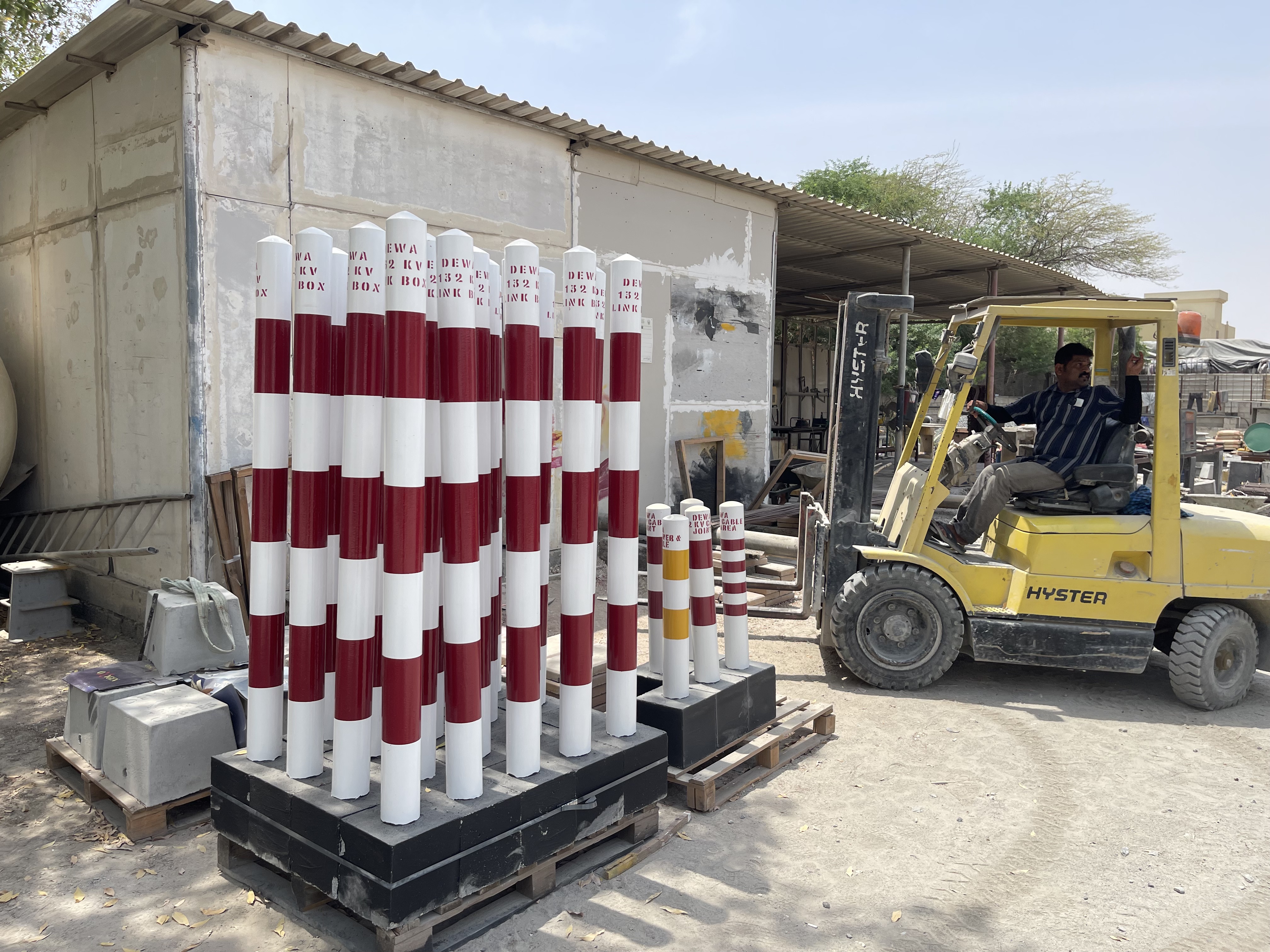
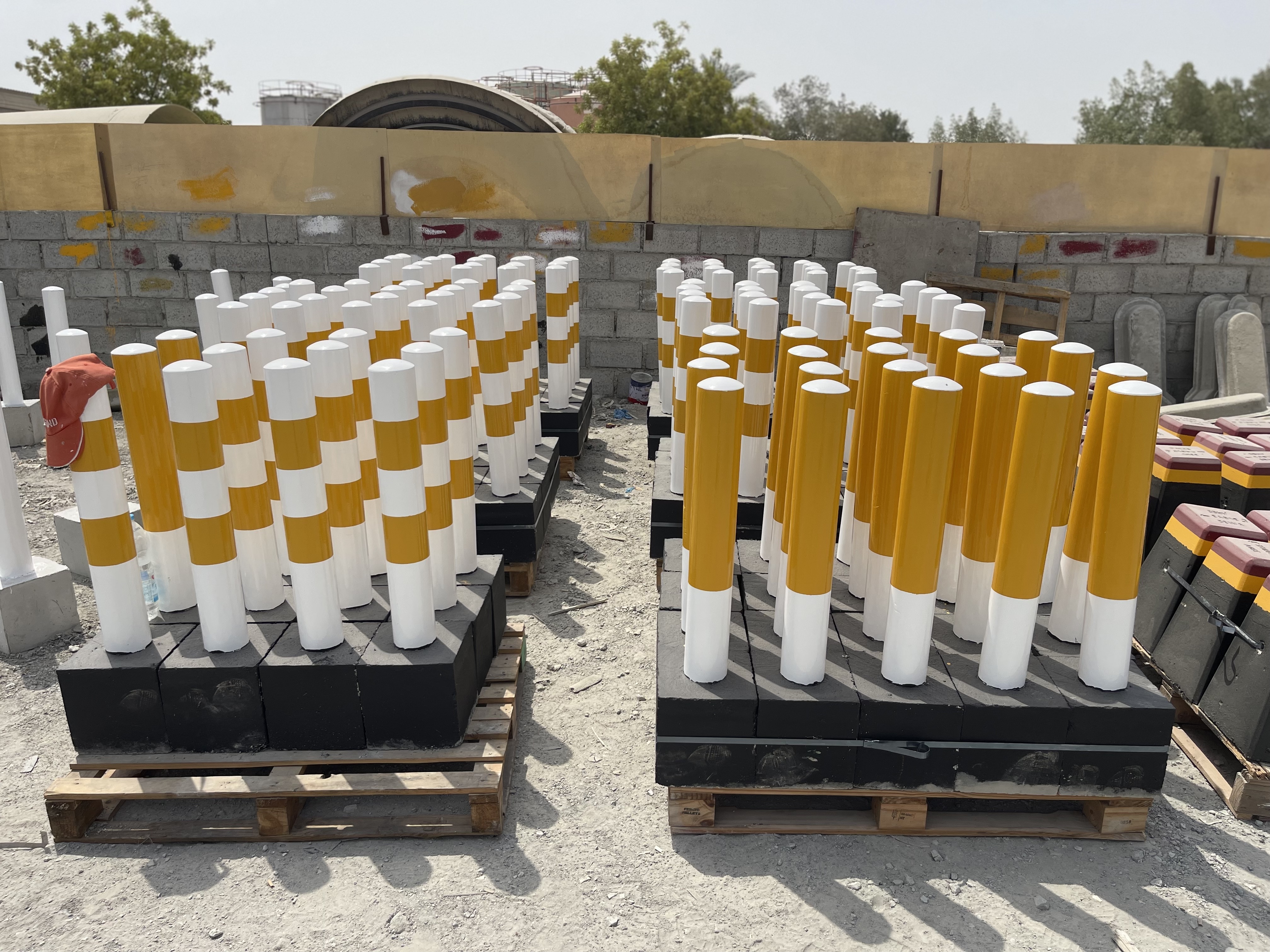
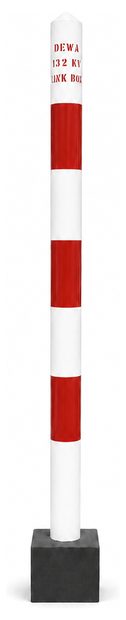
White body, yellow and red bands, a stencilled legend.
On site nobody opens the drawing. The colour is read first, the legend second — and between them they say what is under the ground and what it costs to hit it.
The cable is bored deep under the road here.
No open trench to find. The bore runs between the two markers at either end of the crossing.
The colour is the easy part. The batch is the job.
A marker is only worth the mix behind it. One grade, one curing routine, one mould per engraving — that is what keeps the four thousandth piece identical to the first.
If it isn't in the moulds, we cut the mould.
Our own workshop makes the steel tooling. A new engraving, a different height, an odd duct opening, a utility we have not cast for yet — it starts as a drawing and ends in the yard. Supplies have run from 40 to 4,144 pieces on a single order with no tooling bought in.
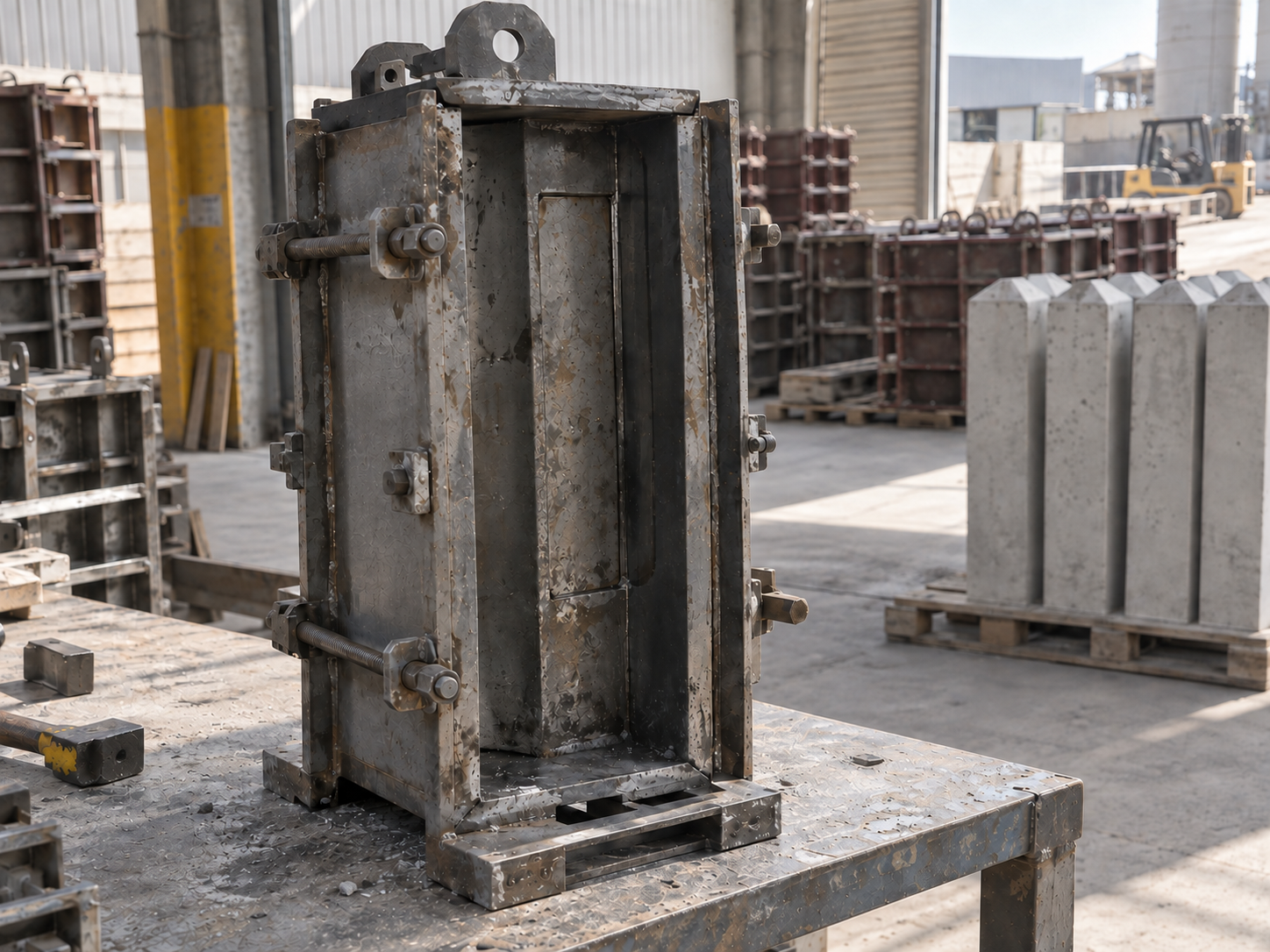
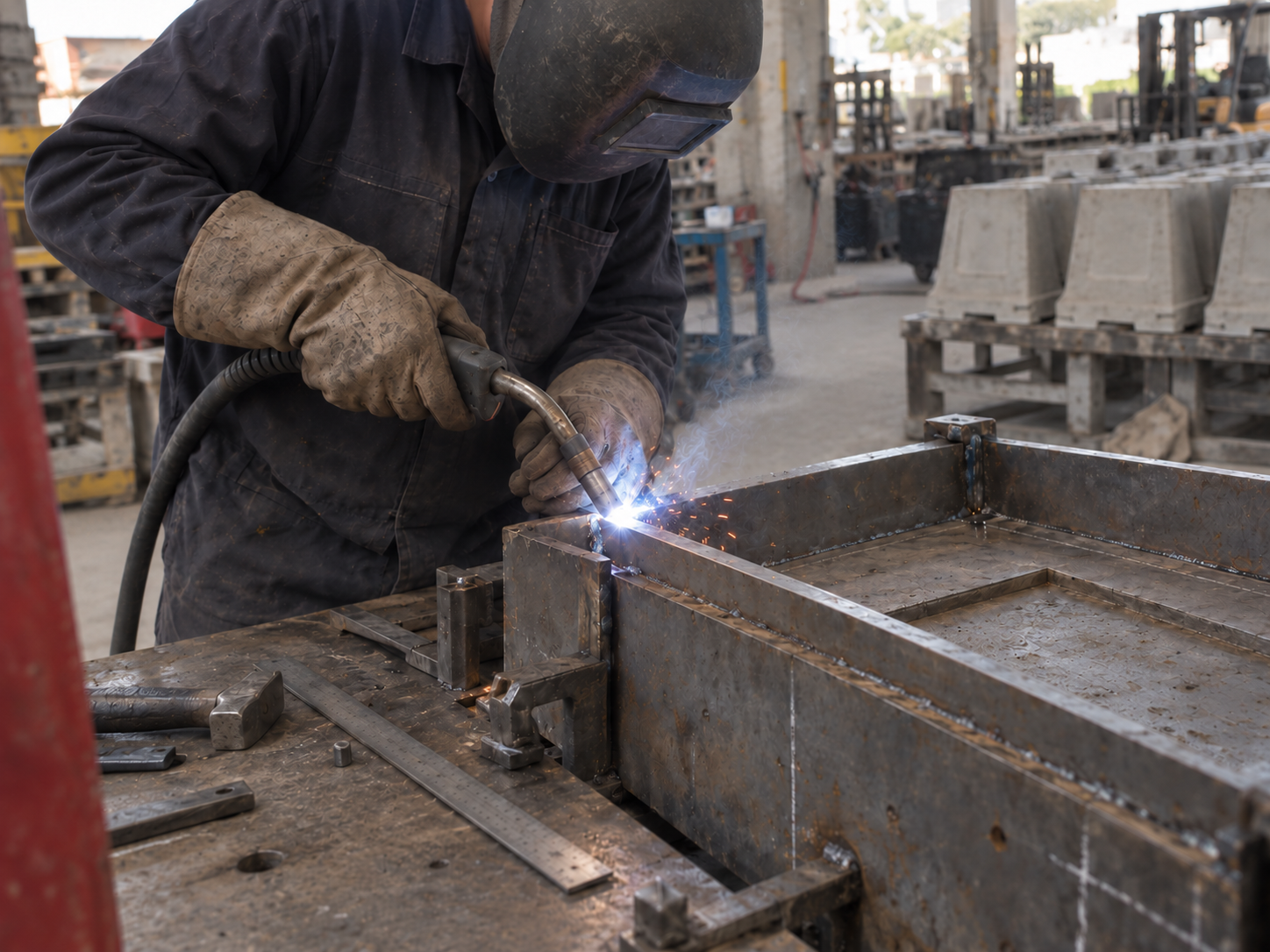
Everything happens on one plot.
Mould shop, mixing, casting and finishing sit inside one yard, so a drawing does not leave the premises between the first cut and the pallet.
Districts you know.
The projects are named in our DEWA approvals; supply went through the contractors who laid the cable.
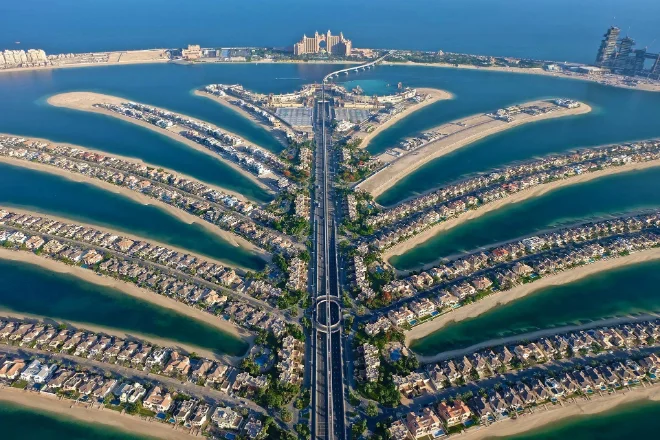
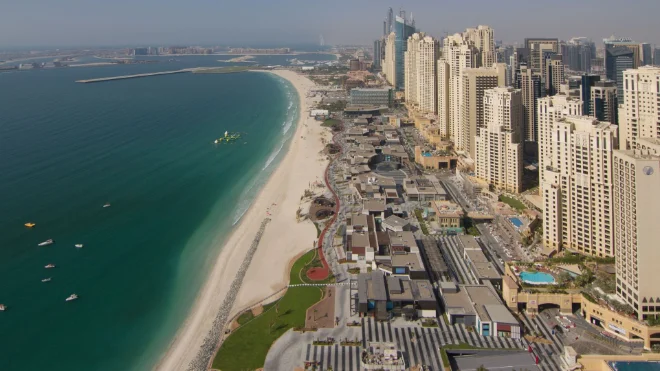
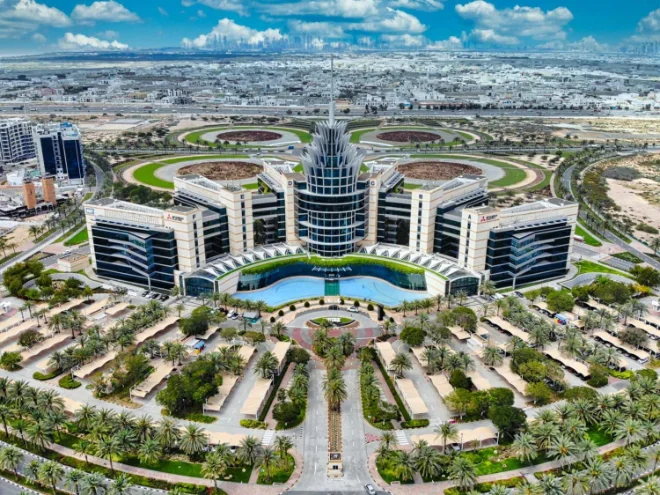
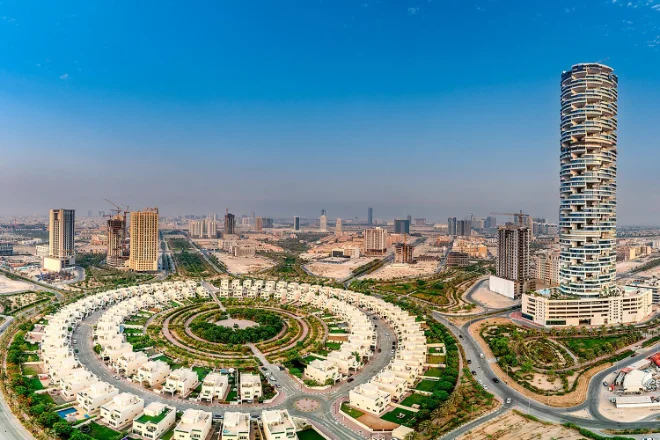
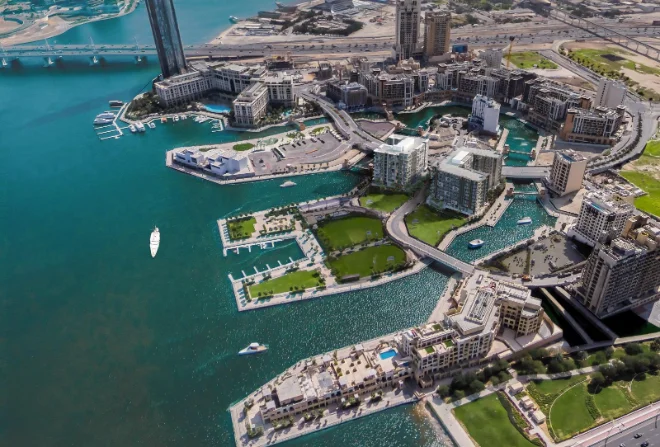

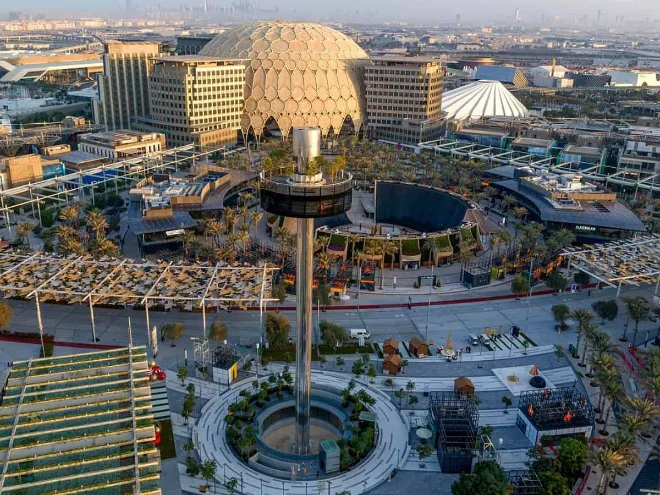
Approved once, then approved again for thirty-four years.
Across Dubai backed by 34 years of DEWA-approved production since 1992.
Mould shop, casting bays and finishing, all under one roof in Al Sajaa.
Every route, joint and fitting gets its own steel mould, cut in our workshop for that application alone.
Same yard, same trade, thirty-seven years.
Standards changed, the pipe went from UPVC to HDPE, the network grew into a system. All that time the moulds kept coming out of the same workshop.
First cast in the U.A.E. Part of the city’s construction from the ground up.
First recorded supply of 132 kV cable tiles to DEWA.
DEWA accepts HDPE in place of UPVC. The current marker takes its shape.
Moving to a larger site with a batching plant, to cast large-size elements.
Forty thousand square feet, two mixers, one workshop.
Mould shop, mixing, casting and finishing sit inside one yard — the same ground where every marker in this catalogue was cast.
Six questions a buyer may need answered.
No. The catalogue and technical data sheets are issued directly to identified buyers after we verify the company. Our drawings and engravings are the product of thirty-five years of approvals.
The approved shop drawing issued with your purchase order. Dimensions, concrete grade and engraving follow it exactly; duct opening positions are confirmed with the buyer on a marked-up drawing before casting.
Supplies have ranged from 40 nos to 4,144 nos on a single order. Typical project quantities of a few hundred to a few thousand units are accommodated without additional tooling.
Steel moulds are fabricated in our own workshop. Forty-two catalogue positions are already tooled; a new type is cut in-house rather than bought in.
Ready-mixed concrete from CONMIX, Ajman, grade C-30 per the DEWA drawing. Seven-day water curing before despatch, raw materials tested by authorised independent laboratories, each piece marked with type and casting date.
Ex-works, or delivered to site. Lifting bars are cast in where the item requires them; cover slabs are supplied loose.
Send the drawing.
Quantities, lead time and terms come back against your drawing and delivery point. The approvals file and company profile go out with every offer.
Request the catalogue.